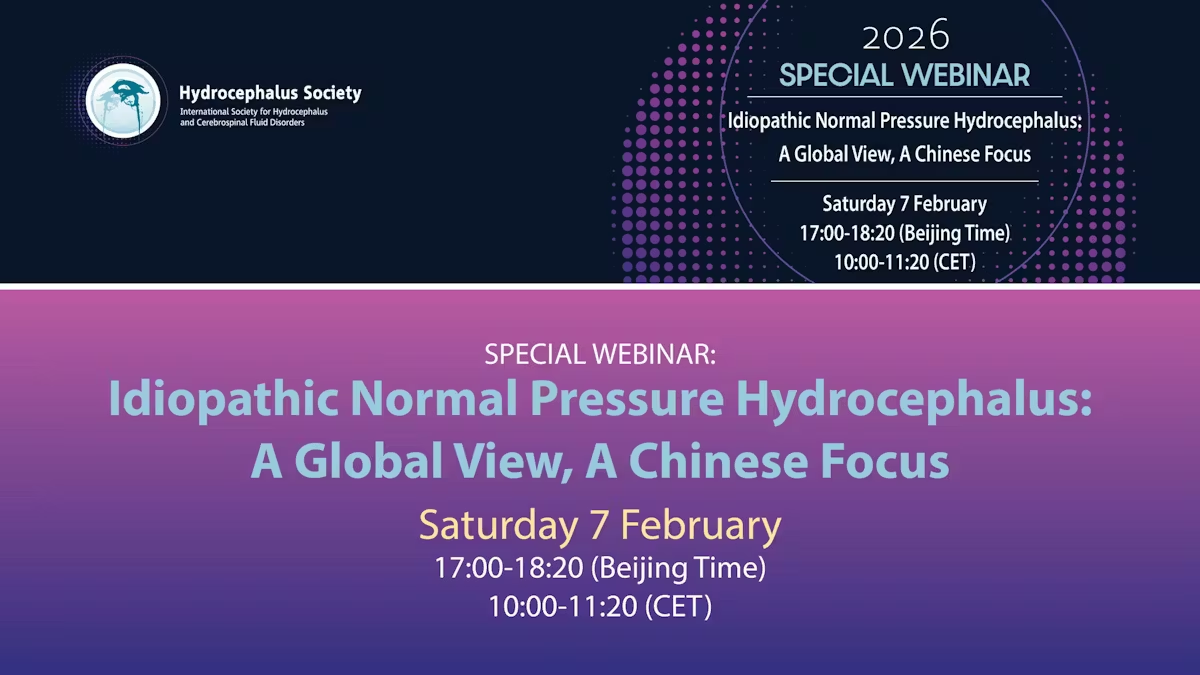
We are delighted to announce the upcoming webinar on Idiopathic Normal Pressure Hydrocephalus: A Global View, A Chinese Focus
Co-organized by the Hydrocephalus Society and the Neurodegenerative
Disease Association of Chinese Society of Microcirculation – Beijing Neurodegenerative Disease Society!
The webinar will take place on: Saturday, 7 February 2026, 17:00PM-18:20 Beijing Time (10:00-11:20 CET) *Simultaneous translation English-Chinese will be provided
In this webinar, organized to give a detailed perspective on iNPH treatment
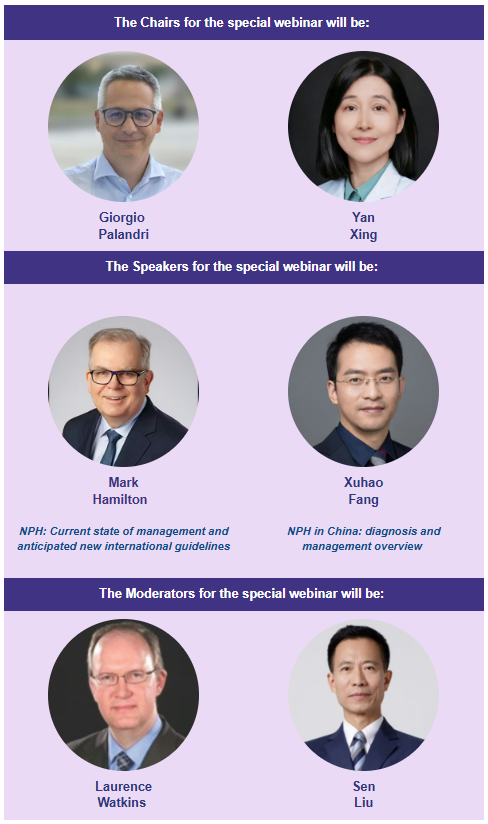
management in China, we are honored to host lectures and roundtable
discussions from prominent speakers and moderators
Roundtable Discussion: NPH epidemiology
Scepticism
Role of supplementary test
Surgical techniques: type of shunt : VP/VA or LP
Postoperative care
How to build a team
Join us now for FREE and reserve your spot for Part 3
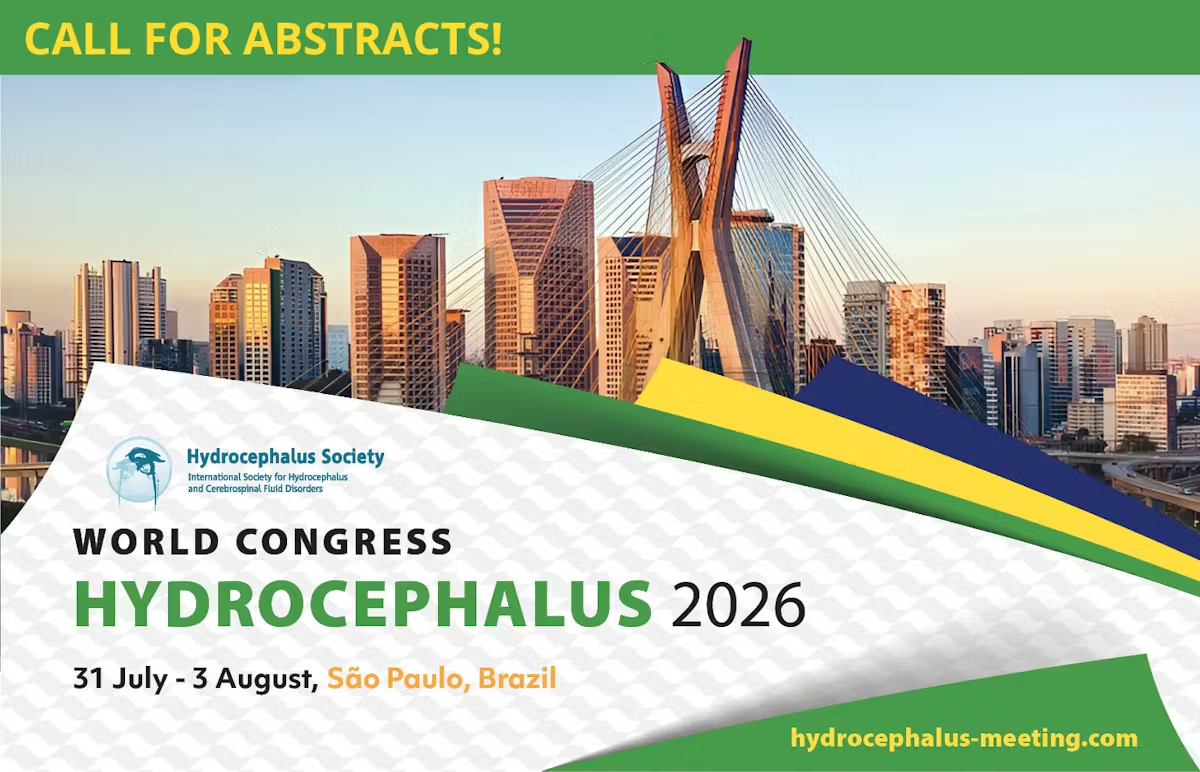
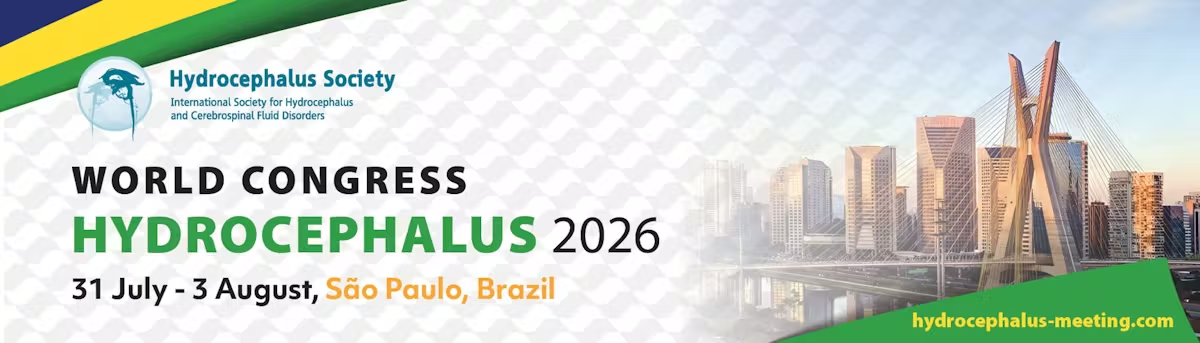
Abstract submission for the Hydrocephalus 2026 World Congress, which will be held in São Paulo, Brazil, on 31 July – 3 August 2026, is open!
Get the chance to be part of the largest worldwide event dedicated to Hydrocephalus treatment! Present your research on a truly global platform, as the Congress is attended by participants coming from more than 41 countries.
Young Investigators Awards
Young researchers are invited to submit their work for consideration. Selected abstracts will be presented in three dedicated sessions during the Congress, and award recipients will receive prize money and/or complimentary registration for the next Hydrocephalus Annual Congress.
Submit your abstract by 16 March 2026 and become part of the
scientific programme of the Congress!
We are pleased to present this month’s interesting paper, “Idiopathic Normal-Pressure Hydrocephalus” authored by:
Mark D Johnson, Michael A Williams
This review article highlights the significance of recognizing and treating idiopathic normal-pressure hydrocephalus, an often overlooked condition that can greatly impact the lives of those over 60. It emphasizes that timely diagnosis and surgical intervention can lead to significant improvements in cognitive function, mobility, and overall quality of life. By understanding this condition better, we can help dispel myths and promote effective treatment options for those who need it most.
Hydrocephalus 2026 World Congress Registration is open!
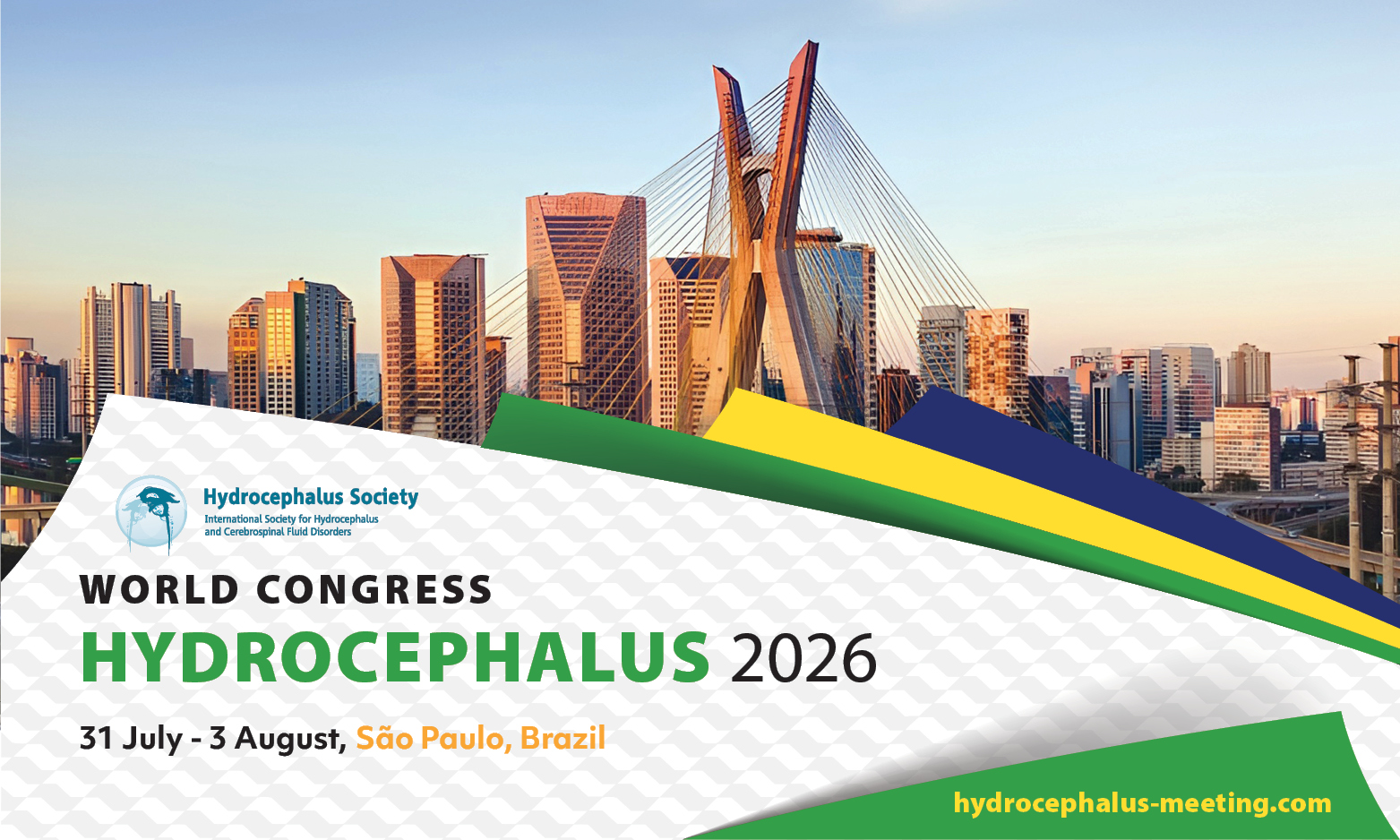
We are delighted to announce that registration is now open for the Hydrocephalus 2026 World Congress, which will be held in São Paulo, Brazil, on 31 July – 3 August 2026!
This premier global event will bring together leading clinicians, researchers,healthcare professionals and industry partners to share the latest advances in hydrocephalus diagnosis, treatment, and research.
Don’t miss the chance to be part of the largest worldwide event dedicated to Hydrocephalus treatment! Register now with Early Bird Rates to secure your place at the congress!
Don’t forget! Abstract Submission for the Hydrocephalus 2026 World Congress is also running!
Get the chance to be part of the largest worldwide event dedicated to Hydrocephalus treatment! Present your research on a truly global platform, as the Congress is attended by participants coming from all over the world.
Young Investigators Awards
Continuing a long-standing tradition of the Hydrocephalus World Congress, the 2026 edition will once again feature the Young Investigators Awards as one of its key highlights.
If you are an early-career researcher, we warmly encourage you to apply for the Young Investigators Award, one of the key highlights of the Hydrocephalus 2026 World Congress.
Indicate your interest during the abstract submission process.
Selected abstracts will be presented in three dedicated sessions during the Congress, and award recipients will receive prize money and/or complimentary registration for the nextHydrocephalus Annual Congress!
Submit your abstract by 16 March 2026 and become part of the
scientific programme of the Congress!
The presented abstracts of the Hydrocephalus 2026 World Congress, 31 July – 3 August 2026, will be published in the online journal Fluids and Barriers of the CNS.
Fluids and Barriers of the CNS is affiliated to the International Brain Barriers Society (IBBS) and the International Society for Hydrocephalus and CSF Disorders.
Fluids and Barriers of the CNS is an open access, peer-reviewed, online journal that considers manuscripts on all CNS fluids and barrier systems in health and disease.
Become a Hydrocephalus Society Member! Discover all the membership benefits here.
Abstract submission for the Hydrocephalus 2026 World Congress, which will be held in São Paulo, Brazil, on 31 July – 3 August 2026, is open!
Get the chance to be part of the largest worldwide event dedicated to Hydrocephalus treatment! Present your research on a truly global platform, as the Congress is attended by participants coming from more than 41 countries.
Young Investigators Awards
Young researchers are invited to submit their work for consideration. Selected abstracts will be presented in three dedicated sessions during the Congress, and award recipients will receive prize money and/or complimentary registration for the next Hydrocephalus Annual Congress.
Submit your abstract by 16 March 2026 and become part of the
scientific programme of the Congress!
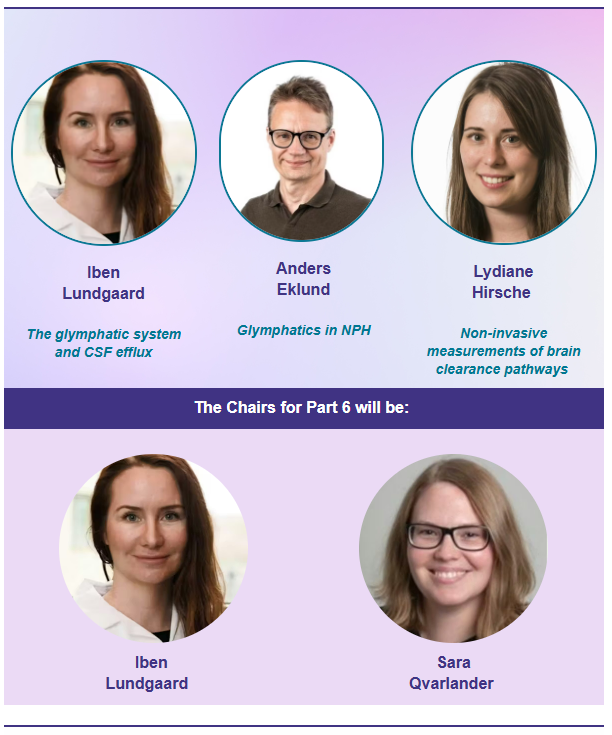
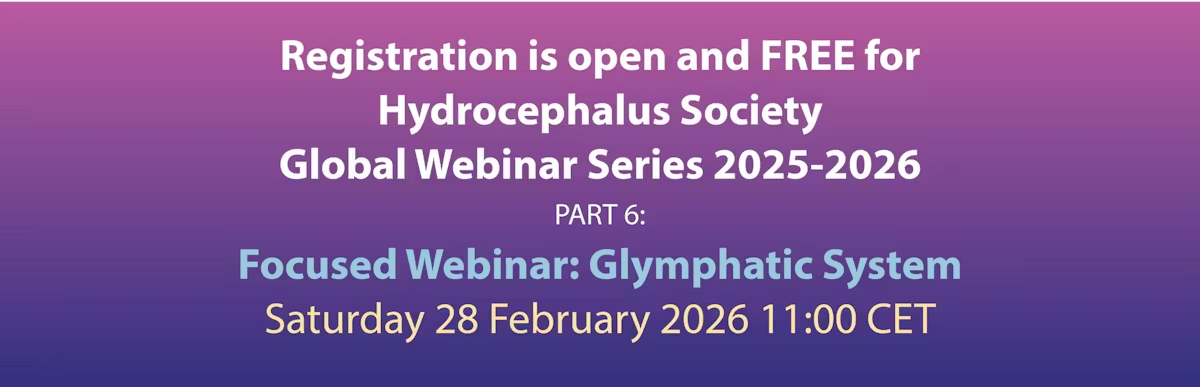
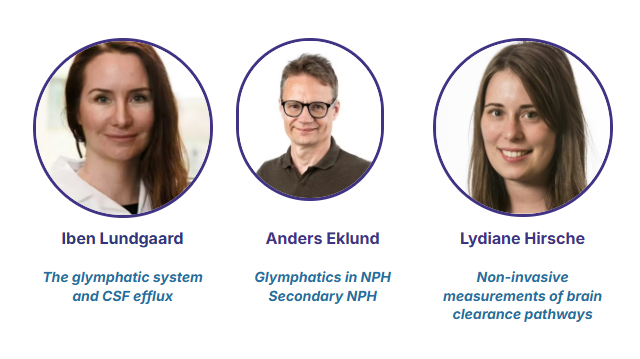
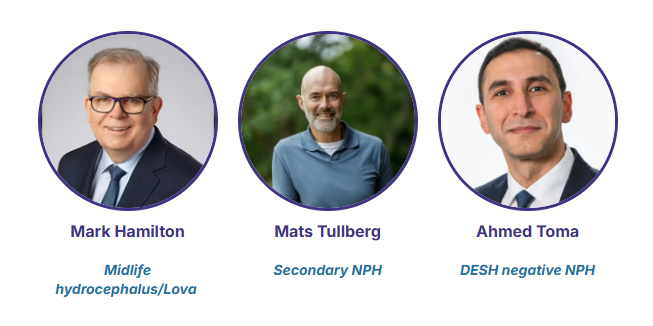
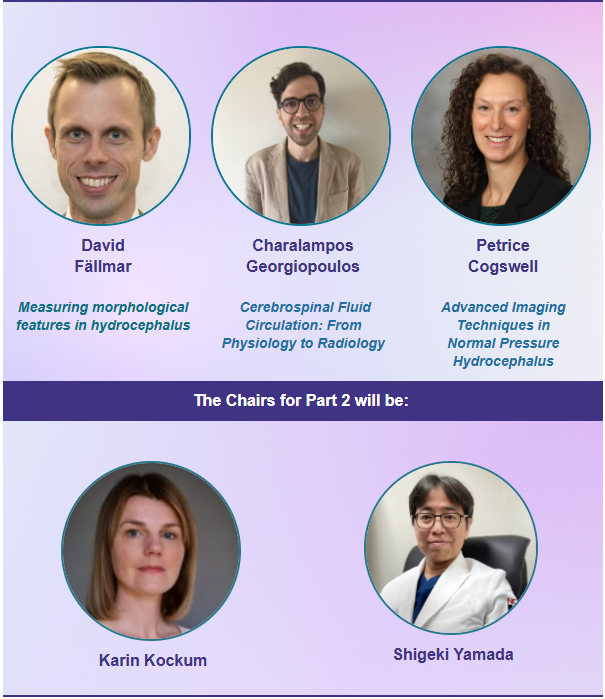
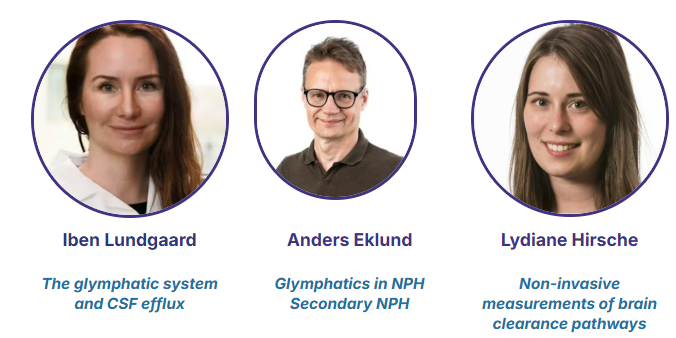
We are very proud to introduce our speakers for Part 5, who will feature 3 featuring three outstanding lectures presented by renowned experts:
Previous recordings🎥
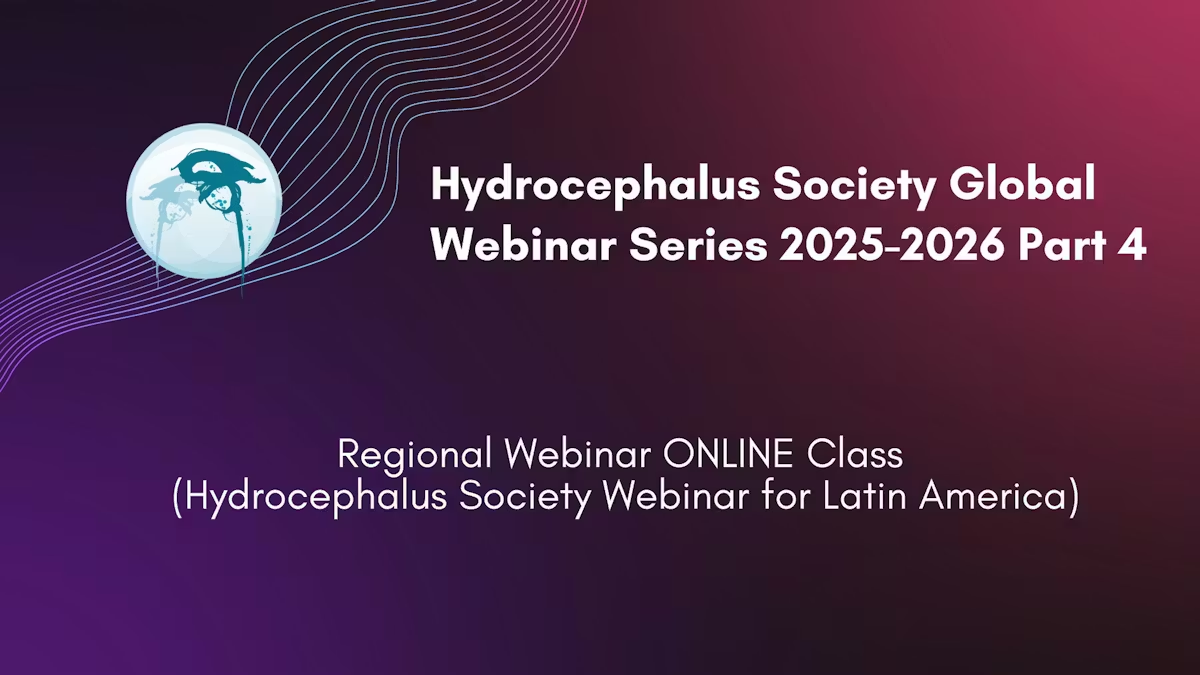
Don’t miss out on the recording of the 2025-2026 Global Webinar Series Part 4: Regional webinar ONLINE class (Hydrocephalus Society Webinar for Latin America).
Previous webinar recordings can be found in the Member’s Corner.
Paper of the month – December 2025📑
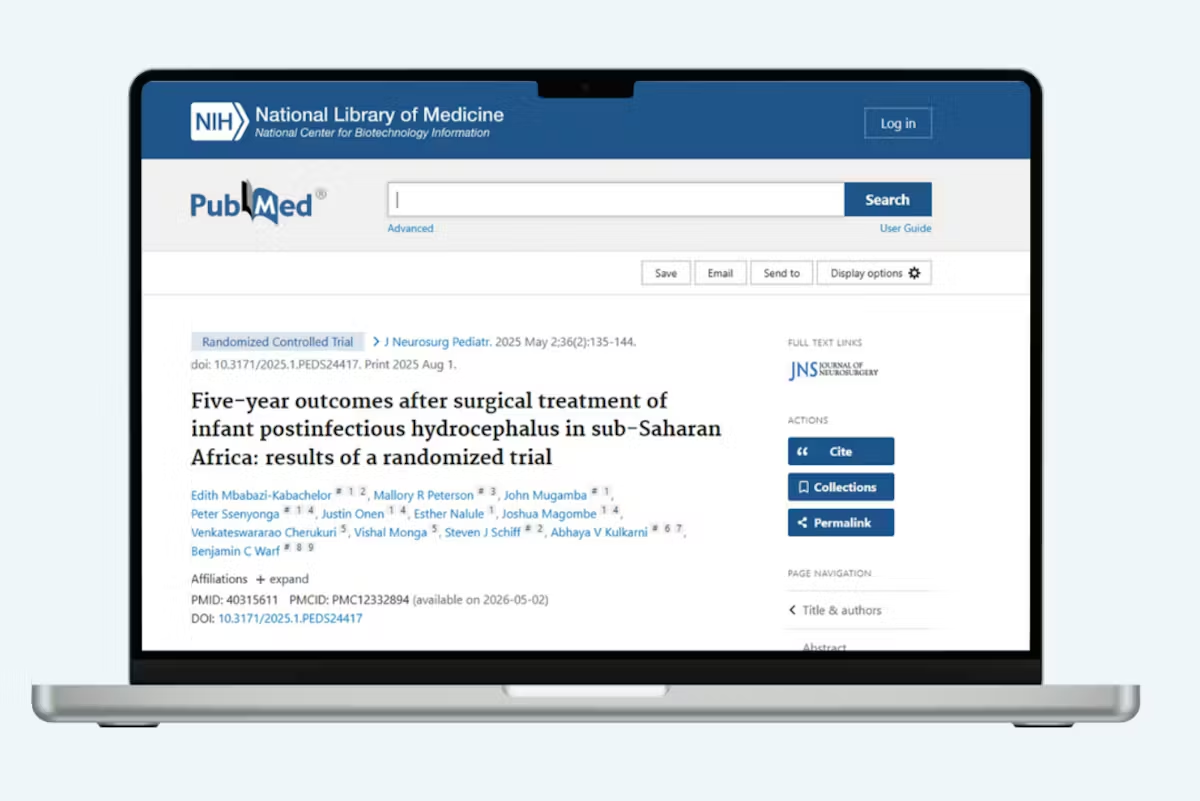
We are pleased to present this month’s interesting paper, “Five-year outcomes after surgical treatment of infant postinfectious hydrocephalus in sub-Saharan Africa: results of a randomized trial” authored by: Edith Mbabazi-Kabachelor, Mallory R Peterson, John Mugamba, Peter Ssenyonga, Justin Onen, Esther Nalule, Joshua Magombe, VenkateswararaoCherukuri, Vishal Monga, Steven J Schiff, Abhaya V Kulkarni, Benjamin C Warf
This research on postinfectious hydrocephalus (PIH) in infants from Uganda addresses a critical public health issue in sub-Saharan Africa. Following a five-year follow-up of 100 infants, the study found that both endoscopic third ventriculostomy with choroid plexus cauterization (ETV/CPC) and ventriculoperitoneal shunt (VPS) provide comparable long-term outcomes in terms of brain growth, development, and quality of life. The strong correlation between brain volume and developmental metrics highlights the need for tailored interventions in this vulnerable group. This research not only enhances our understanding but also informs treatment strategies in resource-limited settings.
As the year comes to a close, we want to thank our members, colleagues,
and friends for an inspiring 2025. Wishing you a joyful holiday season and a healthy, successful 2026!
Stay connected.
Follow us on Social!
Don’t forget to subscribe to our new YouTube channel!
As the year comes to a close, we want to thank our members, colleagues,
and friends for an inspiring 2025. Wishing you a joyful holiday season and a
healthy, successful 2026!
Abstract submission is now open for the Hydrocephalus 2026 World Congress,
which will be held in São Paulo, Brazil, on 31 July – 3 August 2026!
We look forward to receiving original scientific research from hydrocephalus and CSF disorders related professionals,
discussing developments, controversies, and arguments, new practices, and technologies in regard to Hydrocephalus treatment.
Young Investigators Awards
Continuing a long-standing tradition of the Hydrocephalus World Congress, the 2026 edition will once again
feature the Young Investigators Awards as one of its key highlights. Young researchers are invited to
submit their work for consideration. Selected abstracts will be presented in three dedicated sessions during
the Congress, and award recipients will receive prize money and/or complimentary registration for the next Hydrocephalus
Annual Congress. Submit your abstract by 16 March 2026 and become part of the scientific programme of the Congress!
What does the Hydrocephalus Society
mean to our people?
One question – one word – infinite impact. We asked our Board Members what is the first word that comes
in their mind when they think of the Hydrocephalus Society. See their responses and discover our amazing community!
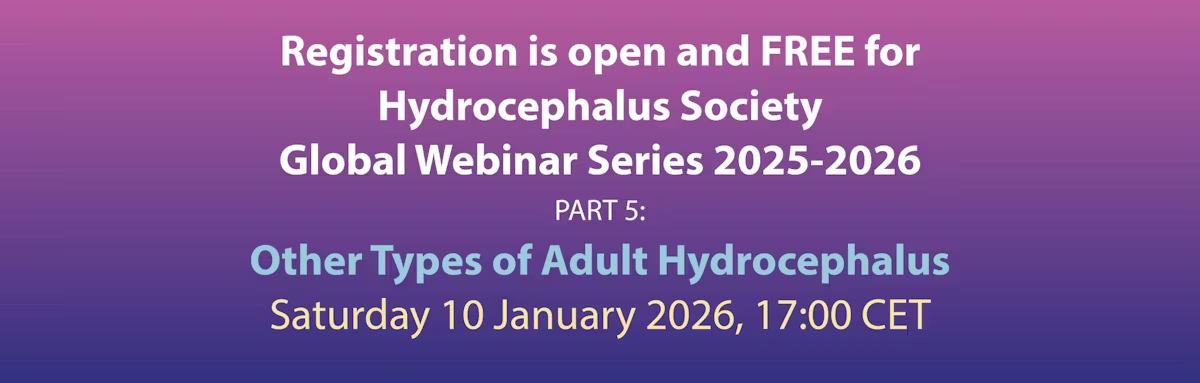
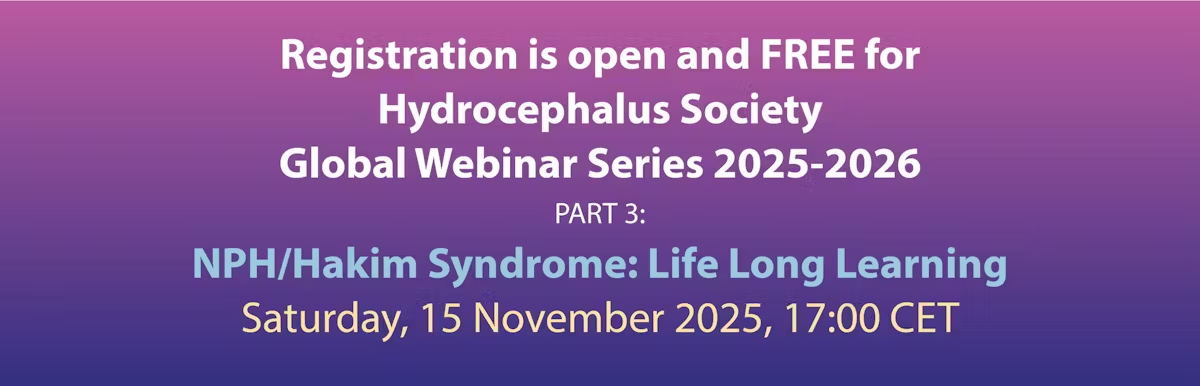
New webinar Season!
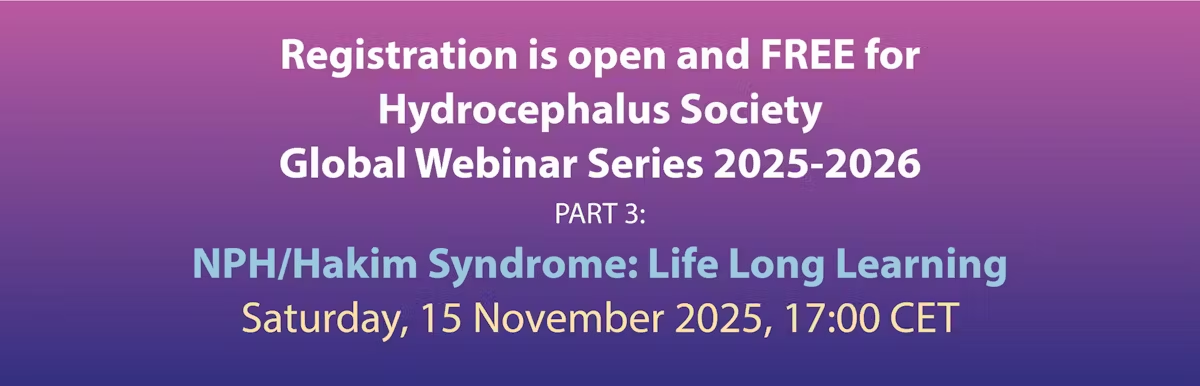
You can now register for the 2025-2026 Global Webinar Series Part 3:
NPH/Hakim Syndrome: Life Long Learning
Webinar starts on Saturday, 15 November 2025, 17.00 CET
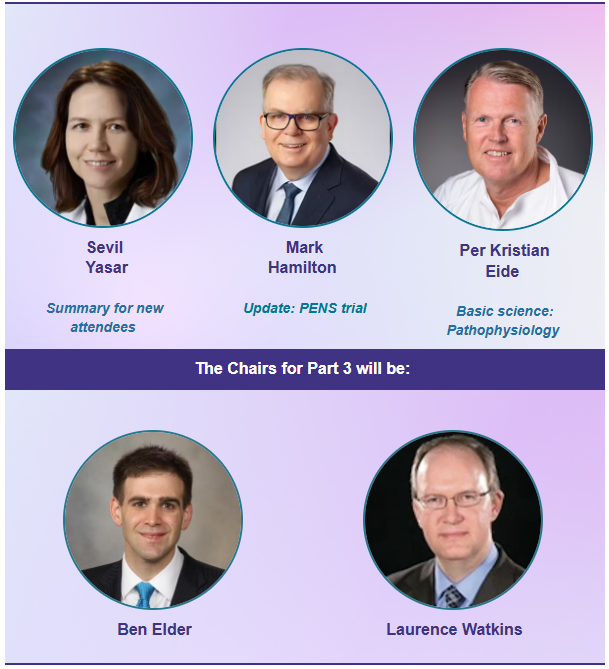
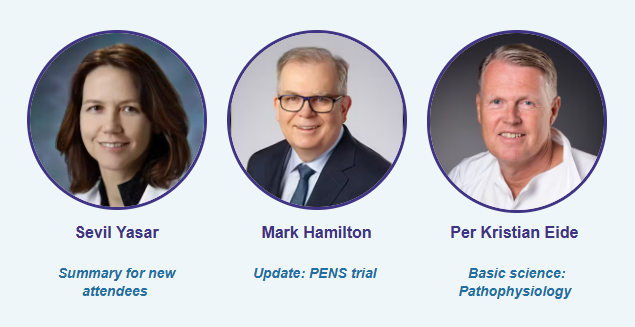
We are very proud to introduce our speakers for Part 3, who will feature 3
top-notch lectures from the renowned experts:
Previous recordings🎥
Don’t miss out on the recording of the 2025-2026 Global Webinar Series
Part 2: Focused webinar – What radiologists need to know about
Hydrocephalus: For radiologists, by radiologists.
Previous webinar recordings can be found in the Member’s Corner.
Paper of the month – November 2025📑
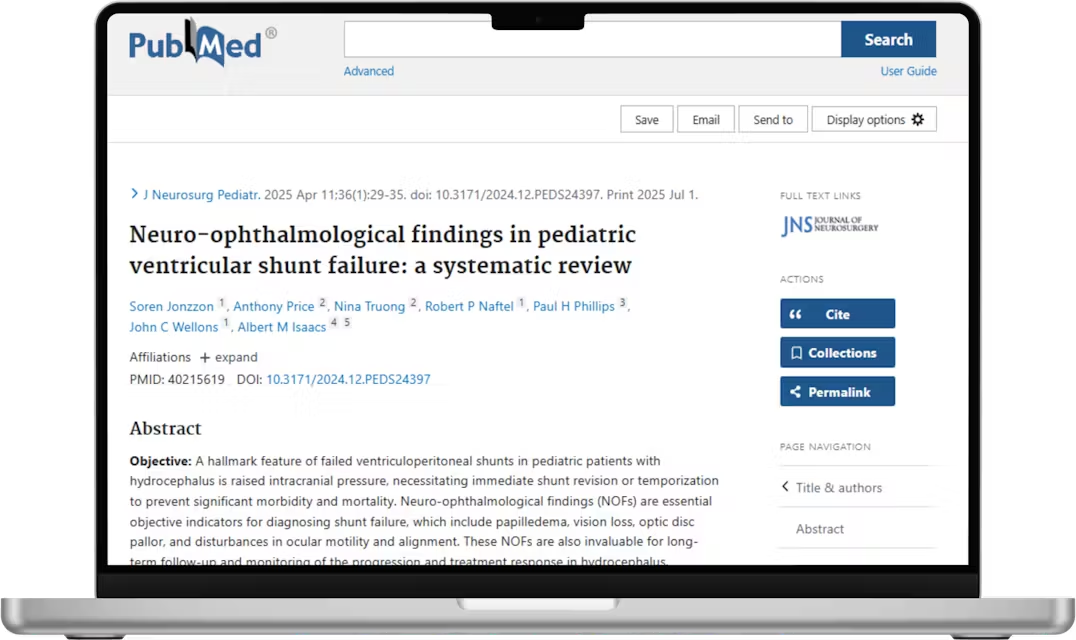
We are pleased to present this month’s interesting paper, “Neuro-ophthalmological findings in pediatric ventricular shunt failure: a systematic review” authored by: Soren Jonzzon MD, Anthony
Price MBA, Nina Truong BS, Robert P. Naftel MD, Paul H. Phillips MD, John C. Wellons III MD,
MSPH, and Albert M. Isaacs MD, PhD.
Key take-aways: • When a child’s ventriculoperitoneal shunt fails, one major danger is rising intracranial pressure.
• The review found that about 62% of children with surgically confirmed shunt failure showed
neuro-ophthalmologic findings such as optic disc swelling (papilledema), vision loss,
or eye movement/nerve palsies.
• After shunt revision surgery, most kids improved in disc swelling or nerve palsy (~80 – 90%), but unfortunately,
vision loss did not reliably improve.
• The authors suggest that checking for eye/vision signs should be part of how we evaluate shunt function,
not just brain scans and symptoms.
Partner Societies News:
Join the 19th National Conference on Hydrocephalus
Join the Hydrocephalus Association for the 19th National Conference on
Hydrocephalus, HA CONNECT, from July 23-25, 2026, in Indianapolis, IN.
The conference will be attended by people living with hydrocephalus,
caregivers and family members, medical professionals, scientists, device
manufacturers, and related organizations and companies.
Have you registered for tomorrow’s Hydrocephalus Society Global Webinar
Series 2025-2026 Part 2: Focused webinar – What radiologists need to know about Hydrocephalus: For radiologists, by radiologists?
We are pleased to present this month’s interesting paper, “A Randomized Trial of Shunting for Idiopathic Normal-Pressure Hydrocephalus” authored by:
Mark G. Luciano, Michael A. Williams, Mark G. Hamilton, Heather L. Katzen, Nickolas A. Dasher, Abhay Moghekar, Jun Hua., Jan Malm, Anders Eklund, Naomi Alpert Abel, Ahmed M. Raslan, Benjamin D. Elder, Jesse J. Savage, Daniel L. Barrow, Kiarash Shahlaie, Hailey Jensen, M.Stat., Thomas J. Zwimpfer, Jessica Wollett, Daniel F. Hanley, and Richard Holubkov.
It refers to a double-blind, randomized, placebo-controlled trial involving participants selected for shunt surgery on the basis of gait-velocity improvement with cerebrospinal fluid (CSF) drainage.
Among participants with idiopathic normal-pressure hydrocephalus who had a response to temporary CSF drainage, shunting resulted in significant improvements at 3 months in gait velocity and a measure of gait and balance but not in measures of cognition or incontinence.
This website uses cookies to improve your experience. We'll assume you're ok with this, but you can opt-out if you wish. Cookie settingsACCEPT
Privacy & Cookies Policy
Privacy Overview
This website uses cookies to improve your experience while you navigate through the website. Out of these cookies, the cookies that are categorized as necessary are stored on your browser as they are essential for the working of basic functionalities of the website. We also use third-party cookies that help us analyze and understand how you use this website. These cookies will be stored in your browser only with your consent. You also have the option to opt-out of these cookies. But opting out of some of these cookies may have an effect on your browsing experience.
Necessary cookies are absolutely essential for the website to function properly. This category only includes cookies that ensures basic functionalities and security features of the website. These cookies do not store any personal information.
Any cookies that may not be particularly necessary for the website to function and is used specifically to collect user personal data via analytics, ads, other embedded contents are termed as non-necessary cookies. It is mandatory to procure user consent prior to running these cookies on your website.